The French & Italian Riviera
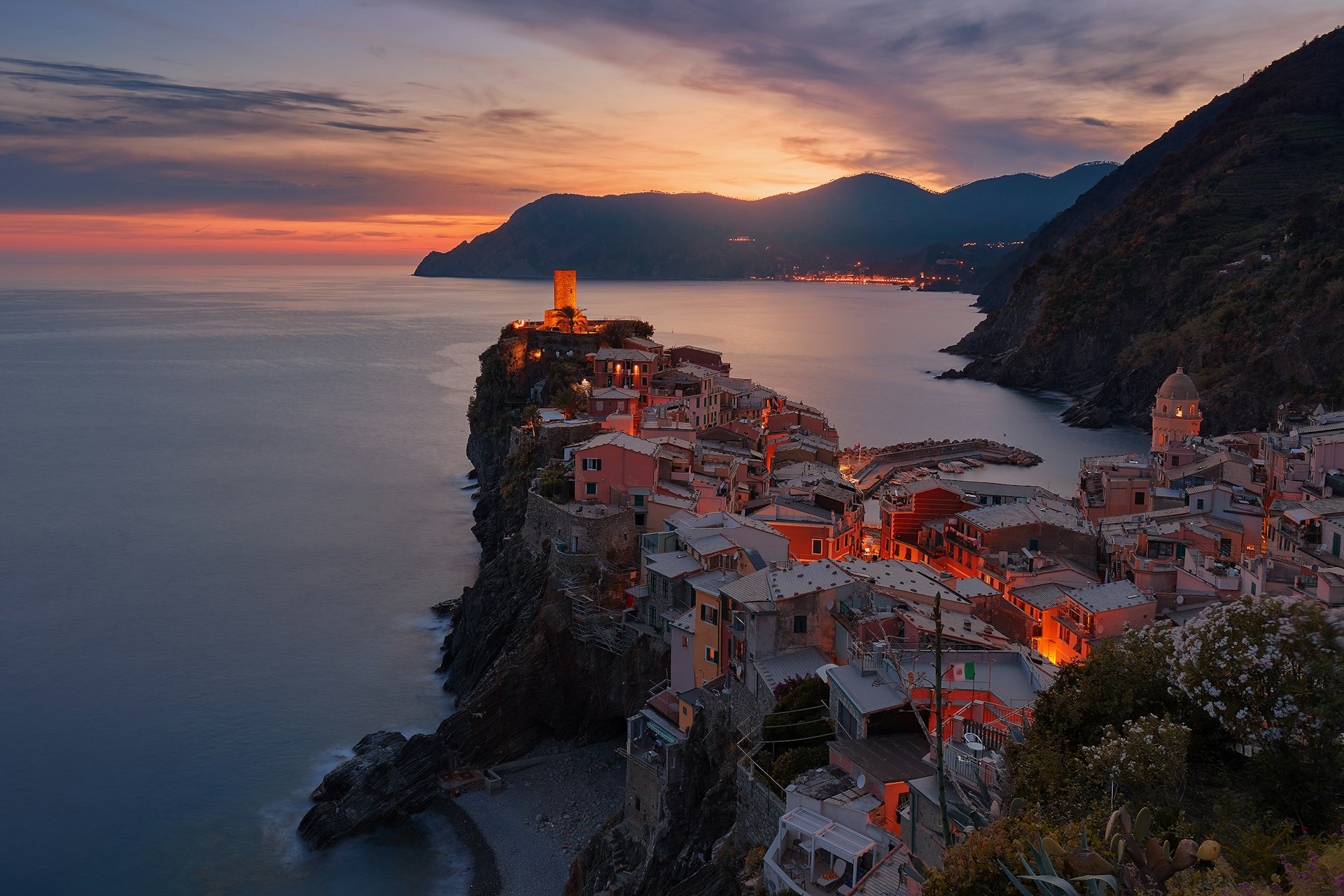
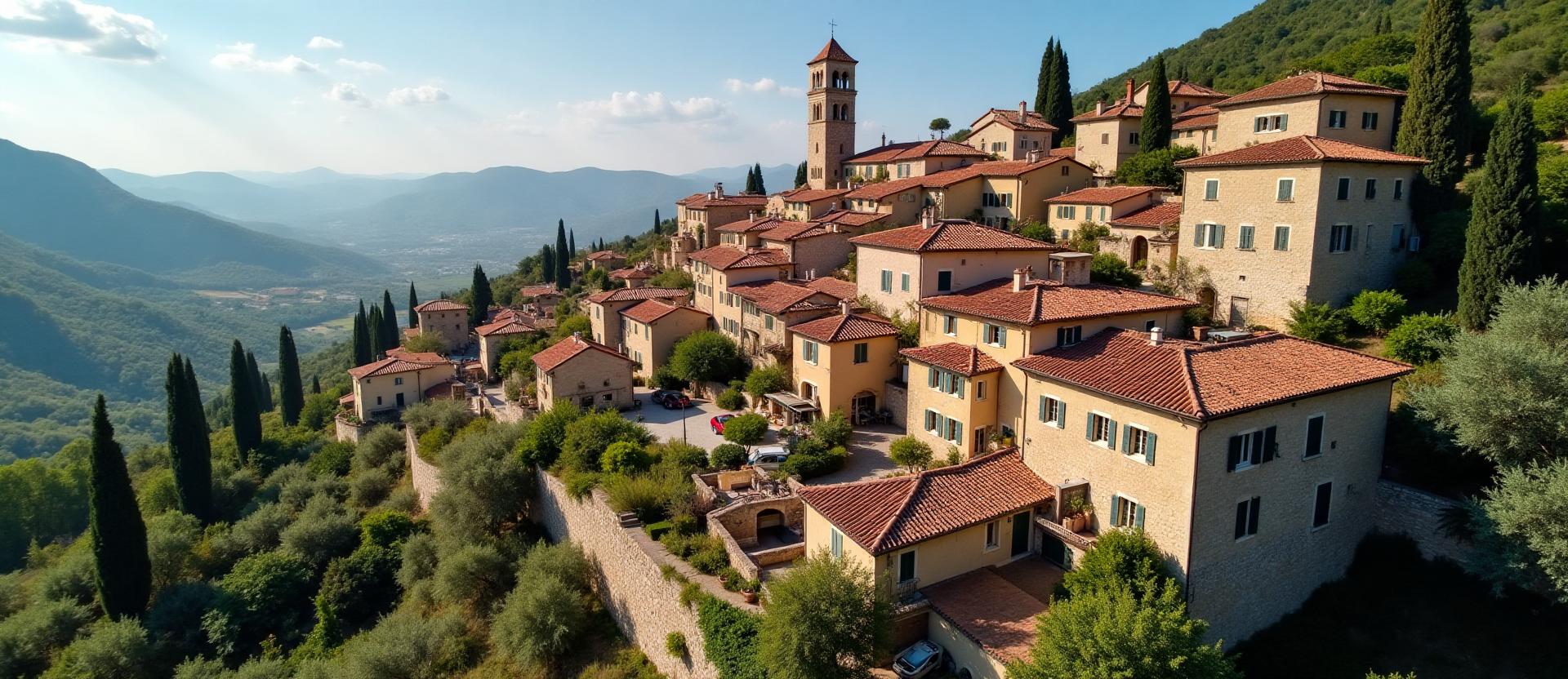
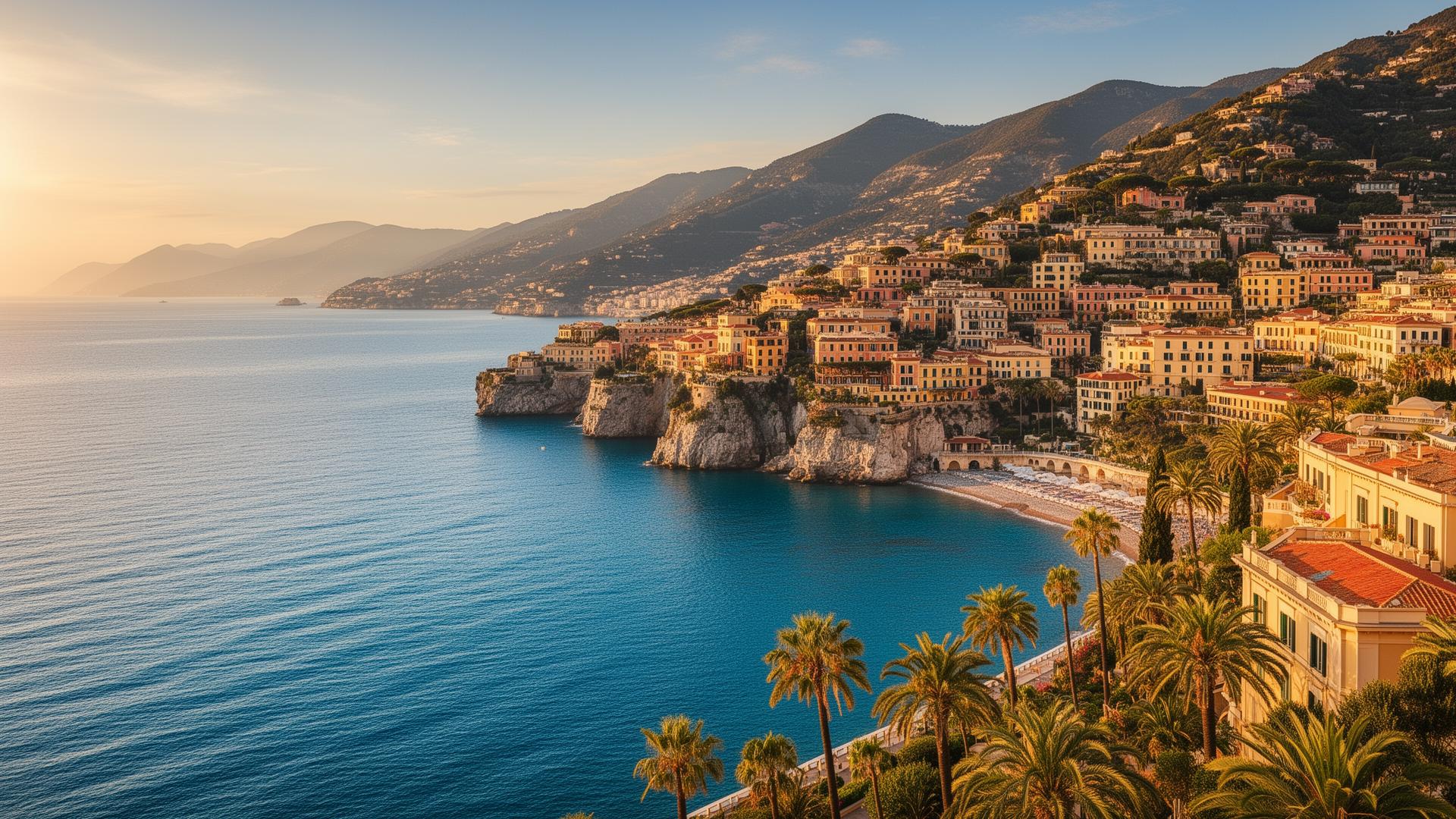
The Mediterranean coastline stretching from the Côte d'Azur to the Ligurian Sea represents one of Europe's most enduring symbols of refined travel. This is where Belle Époque grandeur meets Italian maritime charm—a continuous ribbon of azure water, terraced hillsides, and pastel-hued fishing villages that has drawn artists, writers, and discerning travelers for over a century.
The French and Italian Riviera function as a single cultural corridor, connected by corniche roads carved into cliffsides, Belle Époque railway stations, and a shared Mediterranean sensibility that transcends national borders. From the Art Deco promenades of Nice to the candy-colored harbor of Portofino, this region rewards those who appreciate architectural heritage, unhurried coastal life, and the kind of timeless elegance that cannot be manufactured.
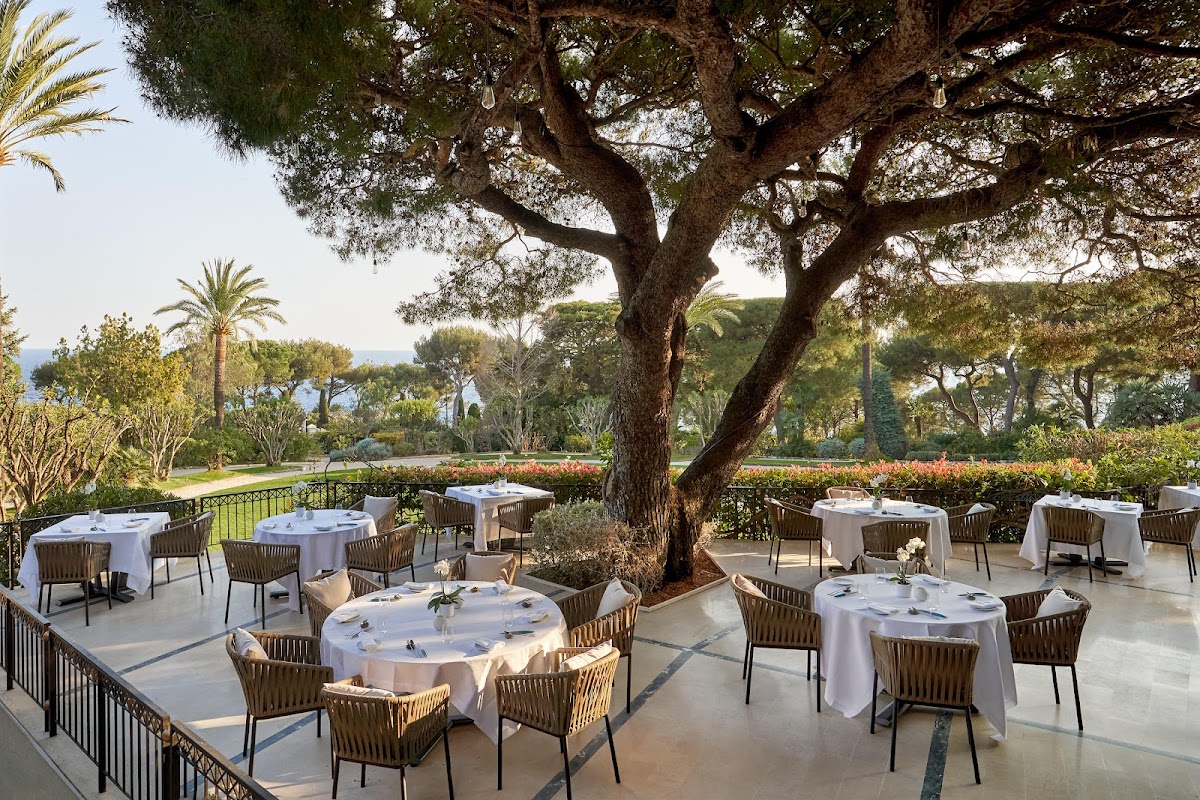
This is a region for travelers who seek substance over spectacle—the quiet morning espresso at a harbor-side café, the afternoon aperitivo with views of sailing boats at anchor, the evening passeggiata along a palm-lined promenade. The Riviera reveals itself slowly, to those willing to look beyond the obvious.
Climate & Best Time to Visit
The Riviera enjoys a Mediterranean climate moderated by the Maritime Alps, which shelter the coast from northern winds. Summers are warm but rarely oppressive, with reliable sunshine from May through October. The shoulder seasons—late April to early June and September to October—offer the ideal balance of pleasant weather and fewer visitors.
Winter brings mild temperatures and the particular atmosphere of a coast in repose. The Carnival of Nice, the Fête du Citron in Menton, and the quiet cultural calendar of coastal museums provide reasons to visit when the summer crowds have departed.
Lifestyle & Culture
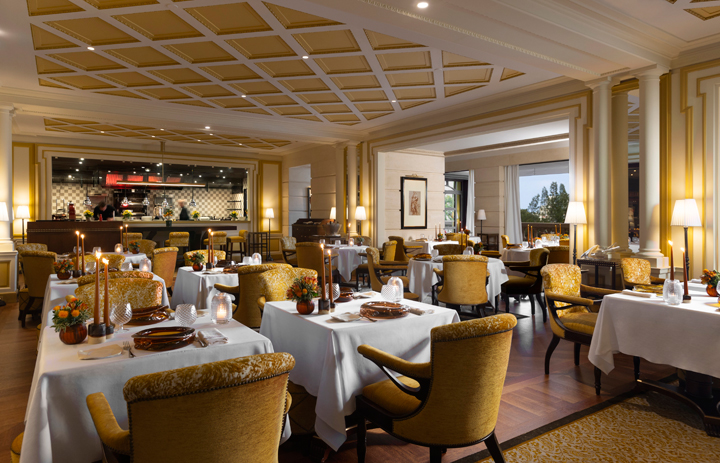
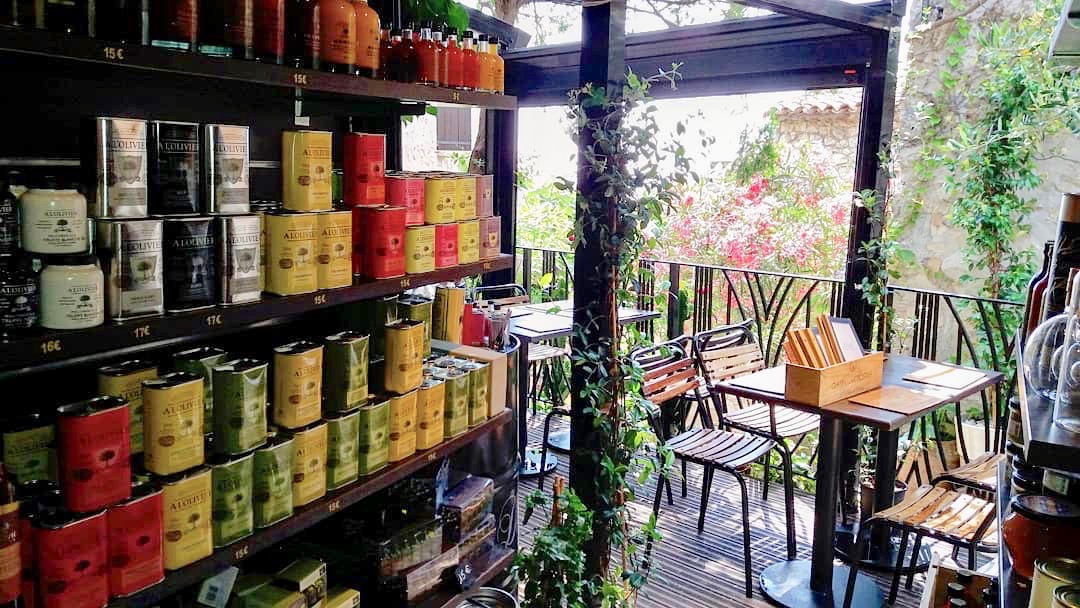
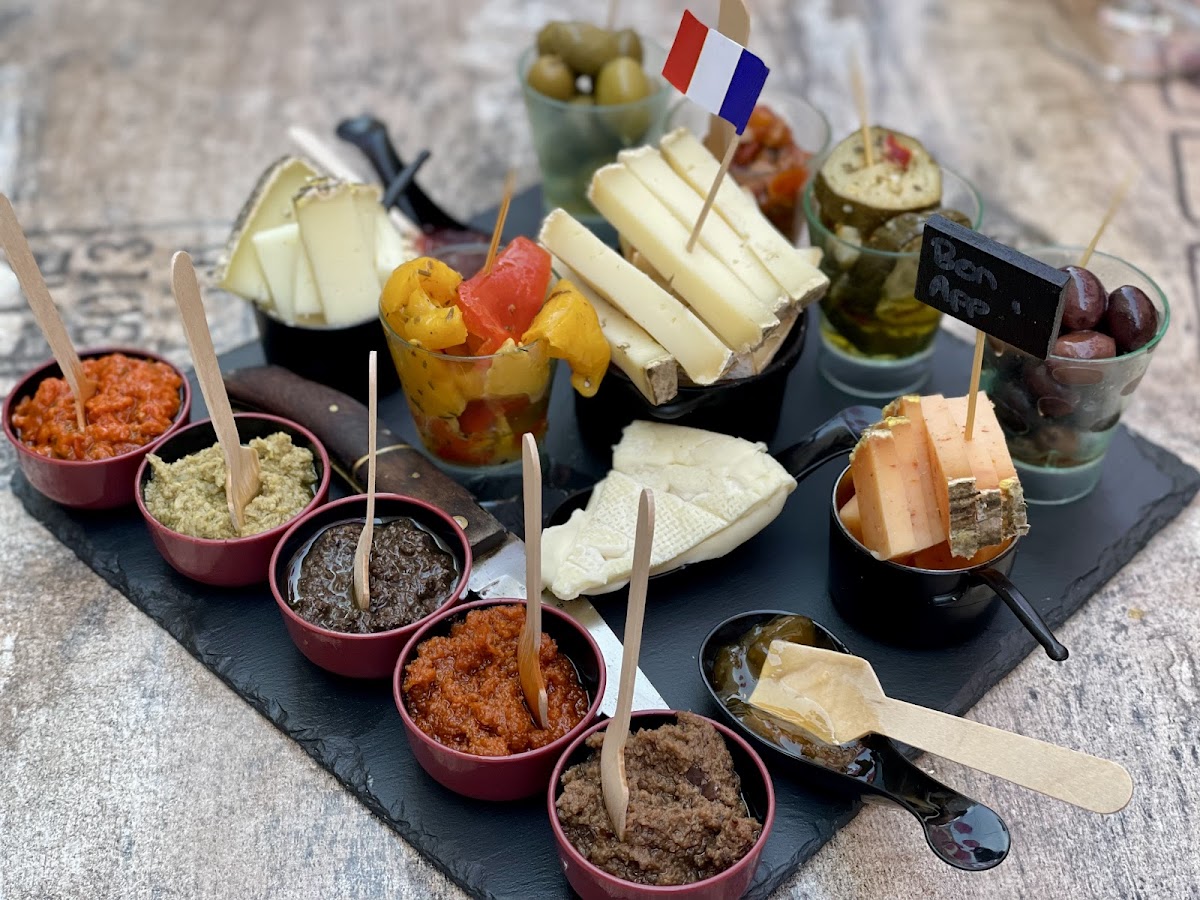
The Riviera's cultural identity emerges from the intersection of French sophistication and Italian warmth. Meals here are taken seriously: the salade niçoise and socca of Nice, the bouillabaisse of Marseille, the pesto and focaccia of Liguria. Local markets—the Cours Saleya in Nice, the Marché Provençal in Antibes—remain the heart of daily life.
Architecture tells the story of successive eras of prosperity: medieval fortifications, Baroque churches, Belle Époque hotels, and Modernist villas. The Art Deco apartments of Nice, the Liberty-style villas of Santa Margherita, and the trompe-l'oeil facades of Camogli together form a living history of Mediterranean building traditions.
The pace of life follows Mediterranean rhythms: late breakfasts, leisurely lunches, the afternoon pause, the evening passeggiata. This is not a region for rushing.
Getting Around
The coastal railway connects the entire Riviera from Marseille to Genova, running parallel to the sea for much of the journey. The stretch between Nice and Ventimiglia—passing Monaco, Menton, and the border crossing at Ponte San Luigi—offers one of Europe's most scenic train rides.
For those who prefer to drive, three historic routes traverse the French Riviera: the Grande Corniche (the highest, with imperial Roman origins), the Moyenne Corniche (carved through limestone cliffs in the early twentieth century), and the Basse Corniche (hugging the waterfront through every coastal village). Each offers a different perspective on the dramatic topography.
The Italian Riviera is best explored by a combination of train and local ferries. The Servizio Marittimo del Tigullio connects Camogli, San Fruttuoso, Portofino, and Santa Margherita by boat—the traditional and most atmospheric way to move along this coast.
The border between France and Italy at Menton-Ventimiglia is seamless for Schengen-zone travelers, with trains continuing uninterrupted from Nice to Genova in approximately three hours.
Frequently Asked Questions
FAQs
The French and Italian Riviera endures not because of any single destination, but because of the continuity of Mediterranean life along this exceptional coastline. From the first café crème in a Nice backstreet to the final sunset aperitivo in Portofino harbor, this is a region that has perfected the art of coastal living over centuries. The Nova Collection curates the refined places to stay across the French and Italian Riviera—the boutique hotels and design properties that understand what travelers seek when they come to this timeless corridor.