Austria · Vorarlberg / Tyrol
Where Alpine tradition meets world-class skiing
Arlberg Region — Boutique Hotels & Travel Guide
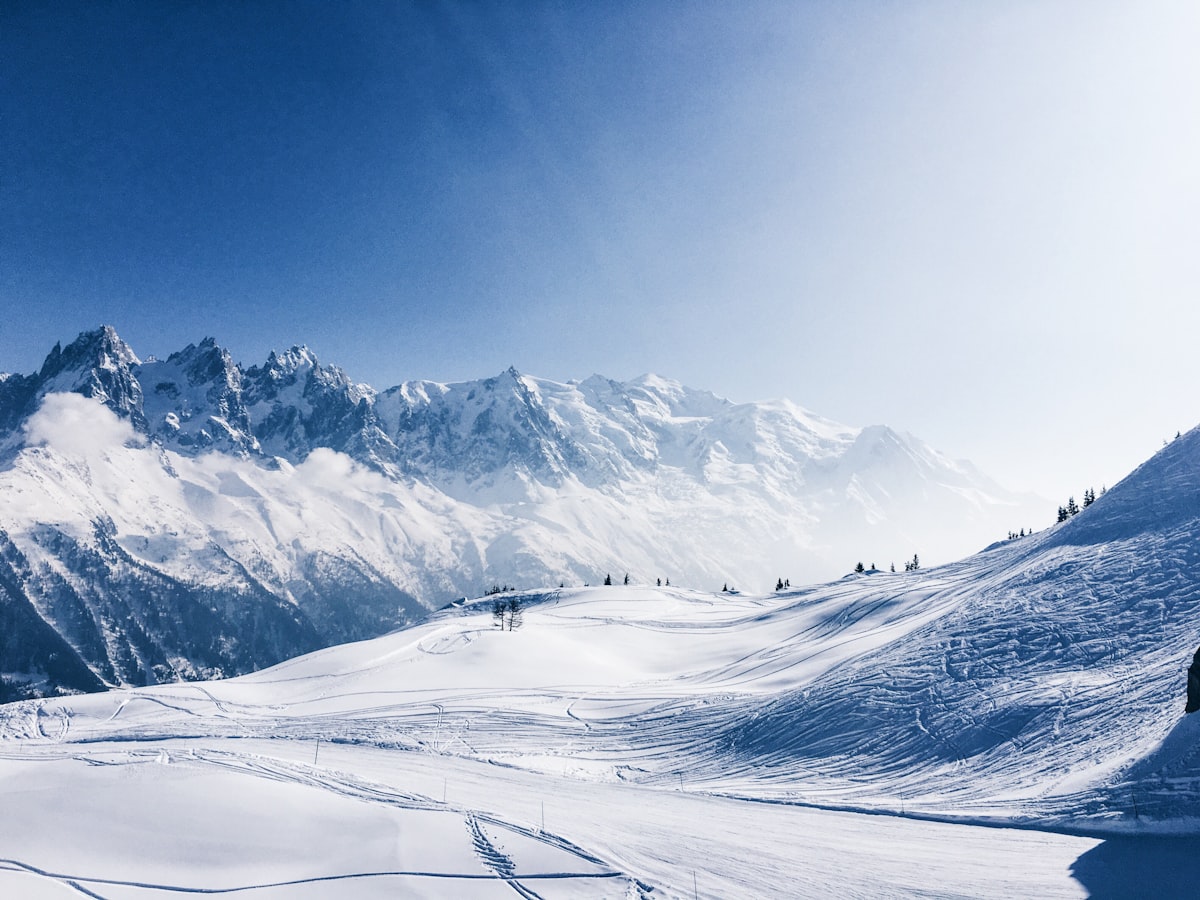
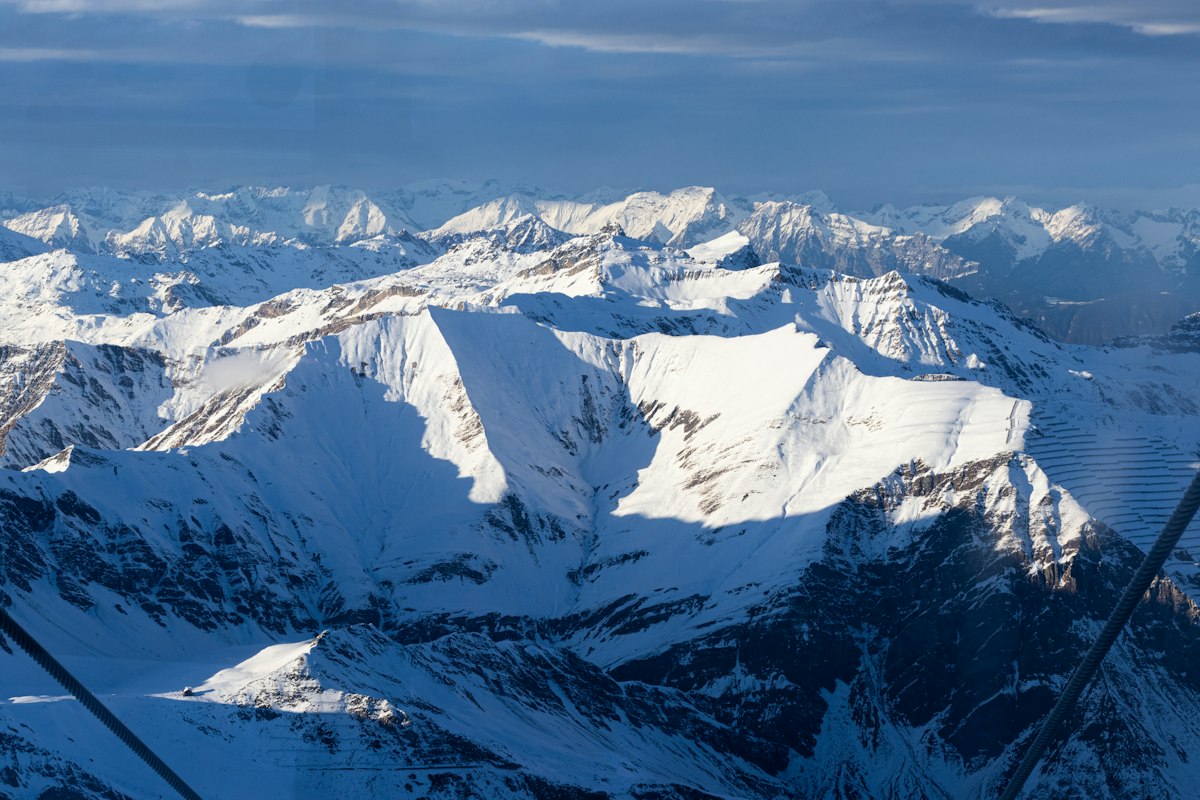
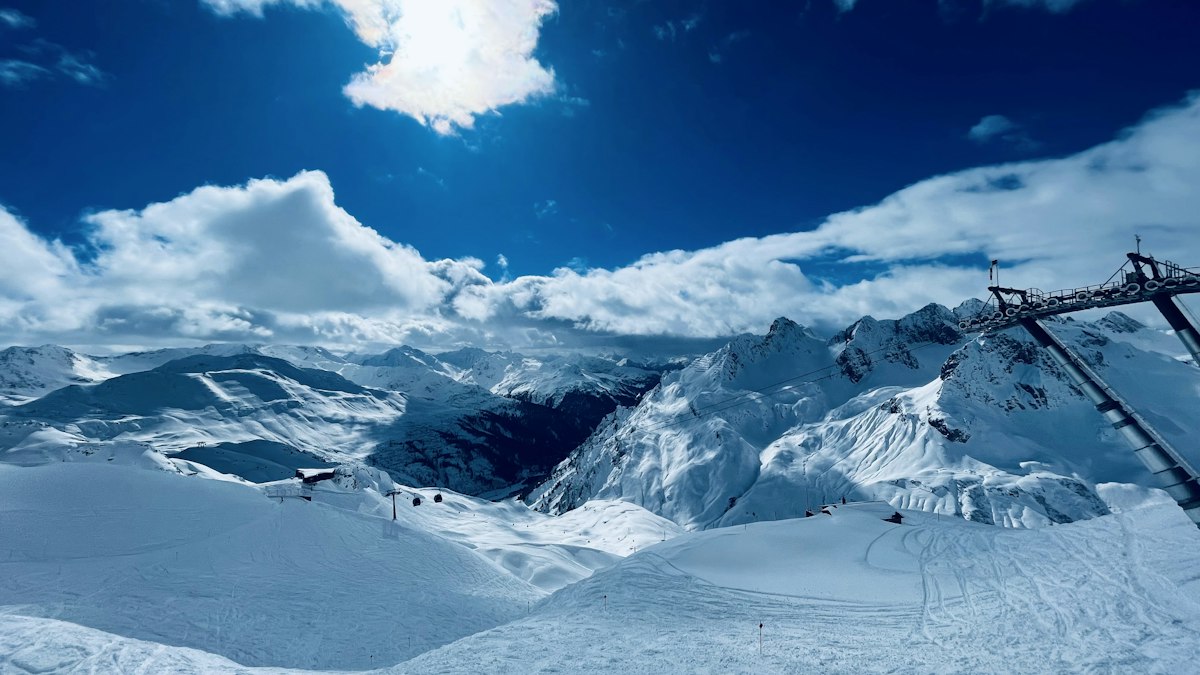
What distinguishes this particular Alpine region is its sheer scale and the seamless integration of its various villages into a cohesive recreational area. The Ski Arlberg network, for instance, is not just one of the largest interconnected ski areas in the world, but a testament to thoughtful infrastructure that respects the rugged landscape. The valleys here are steep and dramatic, carved by ancient glaciers, creating a topography that offers both exhilarating descents and sheltered, sun-drenched plateaus. Above 2,000 meters, the landscape transitions from dense spruce forests to open alpine meadows, eventually giving way to the stark beauty of rocky peaks that often retain snow well into summer.
Culturally, the Arlberg maintains a quiet pride in its heritage. While it draws an international clientele, there’s an underlying authenticity here, a respect for tradition that prevents it from becoming a mere stage set. The local Walser heritage, particularly evident in Lech and Zürs, manifests in the architecture – stout wooden chalets with intricate carvings, and the enduring agricultural practices that still shape the summer landscape. In St. Anton, the atmosphere is perhaps a touch more outwardly energetic, reflecting its history as a pioneering ski destination. Yet, even there, the Tyrolean spirit of warmth and resilience prevails.
The Arlberg is not about ostentatious display; it's about discerning quality, understated luxury, and an intrinsic understanding of what makes a mountain experience truly exceptional. It's in the perfectly groomed piste at first light, the quiet efficiency of the lift system, the subtle elegance of a traditional meal prepared with local ingredients, and the knowledge that you are traversing terrain that has drawn adventurers and aesthetes for generations. It’s a place that understands the subtle art of alpine hospitality, where the wild beauty of the mountains is complemented by impeccable service and a genuine sense of belonging, rather than merely being visited.
Why Visit Arlberg Region
To visit the Arlberg is to immerse oneself in an alpine tradition that balances exhilarating outdoor pursuits with sophisticated leisure. The draw is multifaceted: the sheer expanse of the Ski Arlberg domain offers over 300 kilometers of marked pistes and an astonishing 200 kilometers of off-piste routes, accessible and challenging in equal measure. Imagine carving fresh tracks down the Valluga, with its panoramic views stretching across multiple mountain ranges, or navigating the renowned Run of Fame, a 85-kilometer circuit connecting St. Anton, St. Christoph, Zürs, Lech, Warth, and Schröcken.
Beyond the slopes, the Arlberg offers a culinary landscape that rivals major cities. In Lech, a lunch at Rud-Alpe, perched at 1,560 meters, offers traditional Käsespätzle with views of the Omeshorn. For a more refined evening, Fux Restaurant + Bar in Lech serves exceptional steaks and Asian fusion, a surprising juxtaposition in this mountain setting.
Summer transforms the Arlberg into a verdant playground. The Lechweg, a 125-kilometer long-distance hiking trail, begins near the source of the Lech River and winds through pristine landscapes, offering manageable day sections. One might choose a hike from Lech to the Spullersee, a high-alpine lake at 1,827 meters, accessible via a pleasant 2.5-hour walk from Zug, passing through fragrant alpine meadows dotted with wildflowers. Local traditions are still very much alive; during summer, you might encounter an Almabtrieb, where cattle are adorned with flowers and bells to celebrate their return from high-alpine pastures, a vibrant spectacle of rural life.
When to Visit
Early December offers quieter slopes and often good early-season snow, while late April provides longer daylight hours and softer spring snow. Shoulder seasons, particularly late May to mid-June and mid-September to late October, present a different kind of charm.
Summer, from late June to early September, transforms the Arlberg into a hiker's and cyclist's paradise. The alpine meadows are awash with wildflowers, and the higher trails, like those around the Rüfikopf or the Valluga, become accessible.
The landscape transitions from melting snow to vibrant green, then to the fiery hues of autumn. These are ideal times for peaceful walks and enjoying the changing scenery without the crowds.
Local Experiences
A visit to the Arlberg is truly elevated by engaging with its unique local experiences. For a culinary journey, consider a reservation at Hospiz Alm in St. Christoph, renowned not just for its traditional Austrian fare but for its extraordinary wine cellar, carved into the rock, housing an impressive collection of Bordeaux and Burgundy vintages. The sommelier can guide you through a selection that perfectly complements your meal.
For an invigorating morning, embark on the 'Weiße Ring' ski circuit in Lech and Zürs. This 22-kilometer route, encompassing 5,500 vertical meters of descent, offers a fantastic way to experience the interconnectedness of the region's slopes, culminating with a sense of accomplishment and panoramic views from the Madloch. In summer, the same area offers stunning hiking; a particularly rewarding trail is the walk from Oberlech to the Gaisbühelalpe, where you can enjoy a simple, hearty lunch of local cheeses and charcuterie with a view of the Widderstein mountain.
Beyond the slopes and trails, look for opportunities to experience local culture. The Huber Hus Museum in Lech, a meticulously preserved 17th-century Walser farmhouse, offers a fascinating glimpse into the region's history and traditional way of life. Check local listings for events like the Arlberg Classic Car Rally in June, which brings a collection of vintage automobiles through the scenic mountain passes, or the Lech Warth Music Festival in late July, featuring classical concerts in unique alpine settings. For a truly unique and active experience, consider a guided ski tour to the Stubenbach area near St. Anton, venturing into ungroomed terrain with a local guide who can share insights into the region's flora and fauna and its pioneering ski history.
Nova Insider
To truly experience the Arlberg without compromise, timing your booking is crucial. For peak ski season (mid-January to mid-March), desirable hotels in Lech and Zürs, particularly those with ski-in/ski-out access or renowned restaurants, often book out 9-12 months in advance. St. Anton, while having more inventory, still warrants booking 6-8 months ahead for prime dates.
A local tip: for a quieter, more authentic culinary experience away from the main village bustle, consider the Älpele in Zug, a short drive or bus ride from Lech. It offers traditional Rote Bete Suppe and hearty game dishes in a cozy, rustic setting. Another insider recommendation for summer is to take the Rüfikopf cable car from Lech and hike towards the Zürsersee. The high-alpine flora is spectacular, and the views are expansive without requiring extreme exertion. For a truly unique experience, inquire locally about 'Kneipp' walking paths, where you can wade in cold mountain streams, a traditional wellness practice.
The Arlberg is a destination that rewards exploration, offering a nuanced blend of alpine challenge and refined comfort. It’s a place where the grandeur of the Alps is met with an equally grand tradition of hospitality, ensuring that every visit leaves an indelible impression of both adventure and serenity. The subtle elegance and genuine character of its villages combine to create an alpine experience of enduring quality.
Part of
The Alps — Boutique Hotels & Travel Guide
Explore More Destinations
Arlberg Region is a stunning destination known for its unique blend of culture, cuisine, and coastal charm. Discover our hand-picked boutique hotels, award-winning restaurants, and curated travel experiences across this remarkable region. Whether you're planning a weekend getaway or a longer retreat, our editorial guides will help you find the perfect stay and the best local experiences.