France · Auvergne-Rhône-Alpes
From Mont Blanc to Courchevel — France's grandest peaks
French Alps — Boutique Hotels & Travel Guide
Planning a trip? Explore our French Alps travel guides →
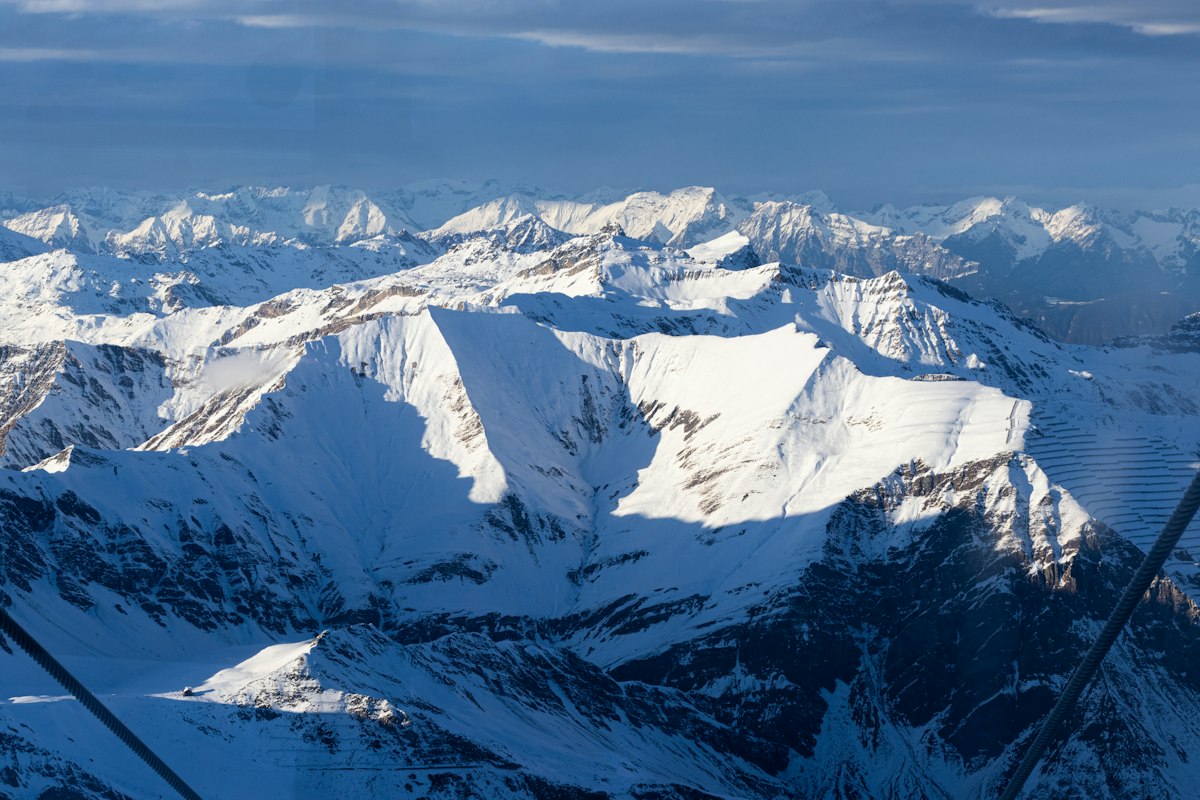
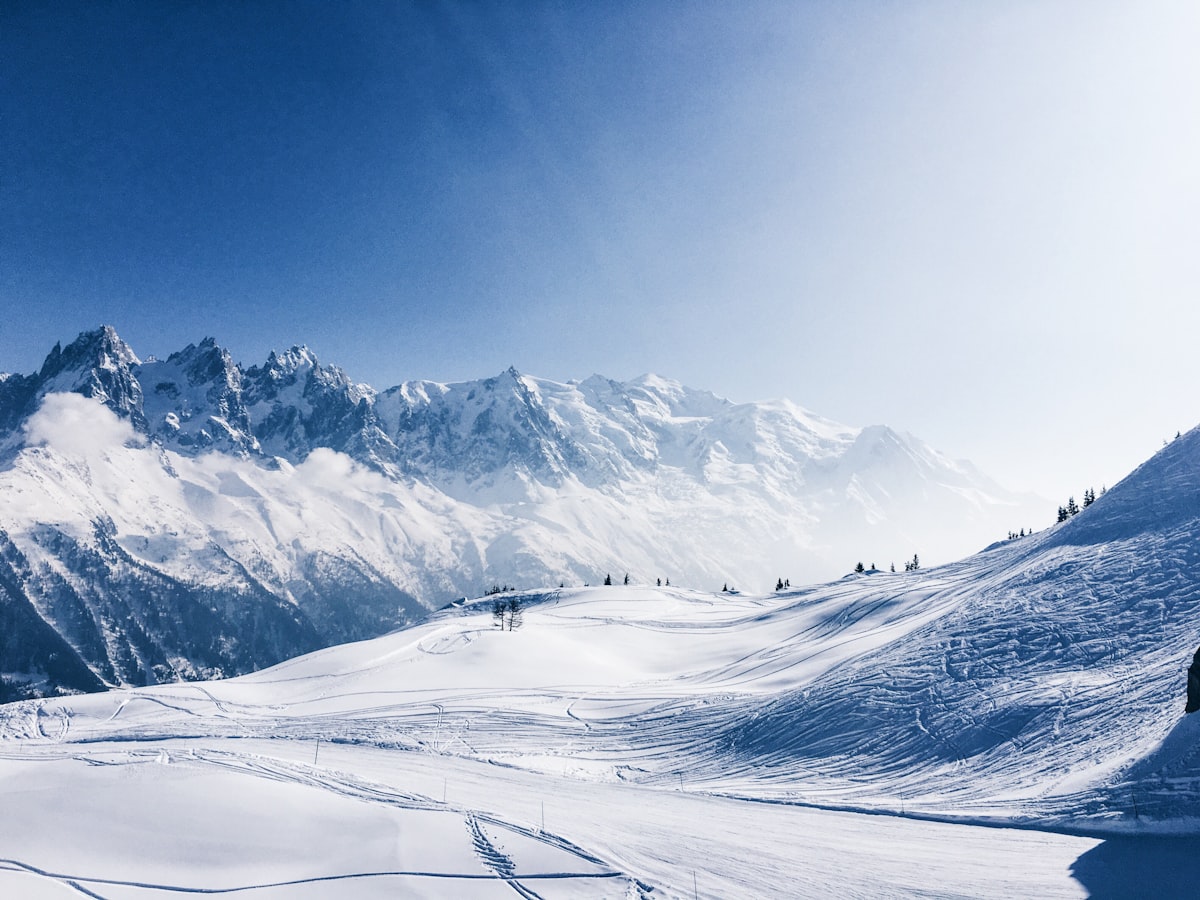
The French Alps contain some of the highest and most dramatic mountain terrain in Europe — Mont Blanc at 4,808 metres is the highest peak in the Alps and in all of western Europe. Chamonix sits directly below it, one of the great mountain towns in the world. Megève and Courchevel offer a very different Alpine experience — polished, luxurious, and deeply French.
Why Visit French Alps
Chamonix is for serious mountain people — the skiing is challenging, the hiking is world-class, and the atmosphere is electric. The Aiguille du Midi cable car, rising to 3,842 metres in two stages, offers the most dramatic mountain panorama in the Alps. Megève is for those who want excellent skiing wrapped in exceptional food and the particular elegance of a French mountain village that has been doing this for a century.
Best Towns in French Alps


Explore All Towns in French Alps
When to Visit
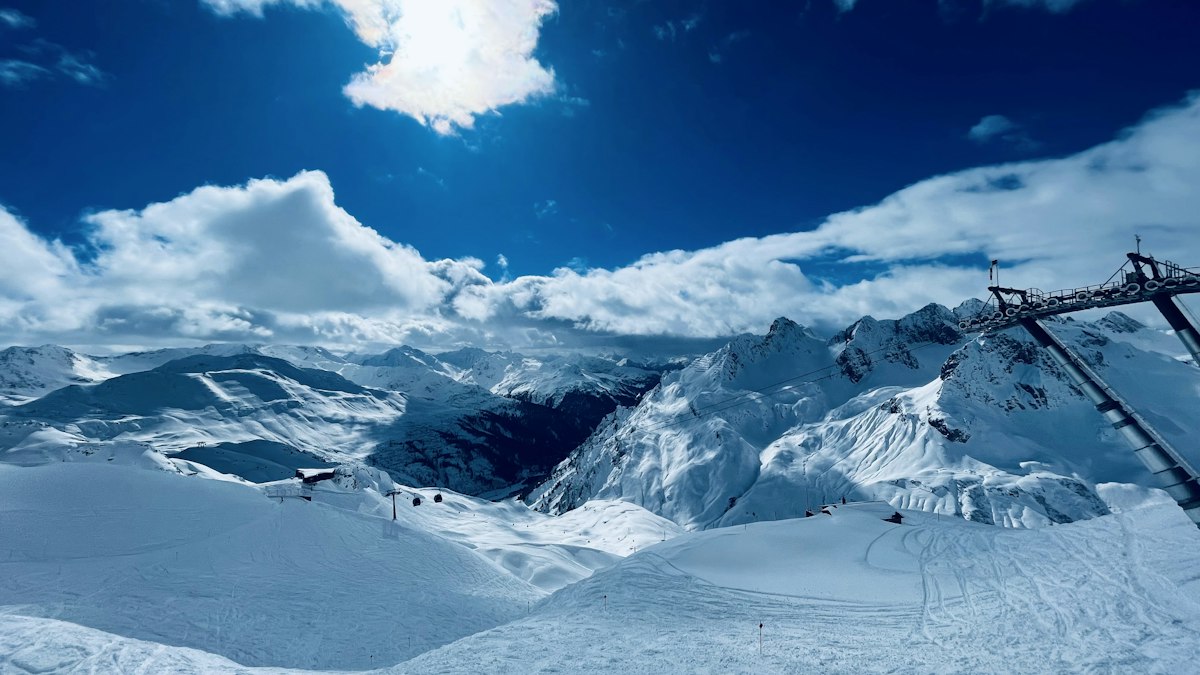
December to April for skiing — January and February have the most reliable snow. July and August for hiking, when the high routes are snow-free and the mountain refuges are open. The Tour du Mont Blanc, an 11-day circuit of the massif through France, Italy, and Switzerland, is best walked in July and August.
Local Experiences
For a truly local experience in Courchevel, venture beyond the main Croisette area. Take the Verdons gondola up to the top station and then ski down to the Refuge du Lac de la Rosière. Accessible only by ski in winter, or a 45-minute walk from Courchevel Moriond in summer, this charming, rustic restaurant serves excellent traditional Savoyard dishes by a frozen lake, far from the resort's central bustle. Their gratin dauphinois is particularly memorable.
In Megève, bypass the more opulent establishments for an evening at Le Torrent. Tucked away on Rue du Général Muffat de Saint-Amour, this unpretentious spot is renowned for its fondue and raclette, served in a cozy, wood-paneled setting. It's where the locals go for a hearty, authentic meal. Afterwards, wander to the Place de l'Église and admire the illuminated spire of Saint Jean Baptiste, a landmark visible from many points around the village.
Chamonix offers a different kind of immersion. For a less-traveled hike, consider the Chemin du Petit Balcon Sud, a relatively flat, forested path that runs parallel to the valley floor, offering intermittent views of the Aiguilles de Chamonix without the strenuous ascent of the higher trails. It's perfect for a leisurely morning walk. For a unique cultural insight, visit the Musée Alpin in Chamonix, housed in a former palace, which details the history of mountaineering and the development of the valley. And don't miss the Saturday morning market in the town square, where you can find local cheeses, cured meats, and freshly baked bread – perfect for a picnic by the Arve river.
Nova Insider
The Vallée Blanche in Chamonix is the most famous off-piste ski route in the world — a 20km descent from the Aiguille du Midi through a high glacier wilderness that ends in the town. It requires a guide, good fitness, and clear weather, but delivers an experience that no prepared piste can approach. Book a guide through the Compagnie des Guides de Chamonix — the oldest mountain guide association in the world.
The French Alps are not merely a destination; they are an immersion. A place where the raw power of nature is tempered by an enduring elegance, offering an experience that is at once exhilarating and deeply restorative, leaving an indelible mark long after the journey concludes.
Part of
The Alps — Boutique Hotels & Travel Guide