Switzerland · Valais
The iconic peak and car-free alpine villages
Matterhorn Region — Boutique Hotels & Travel Guide
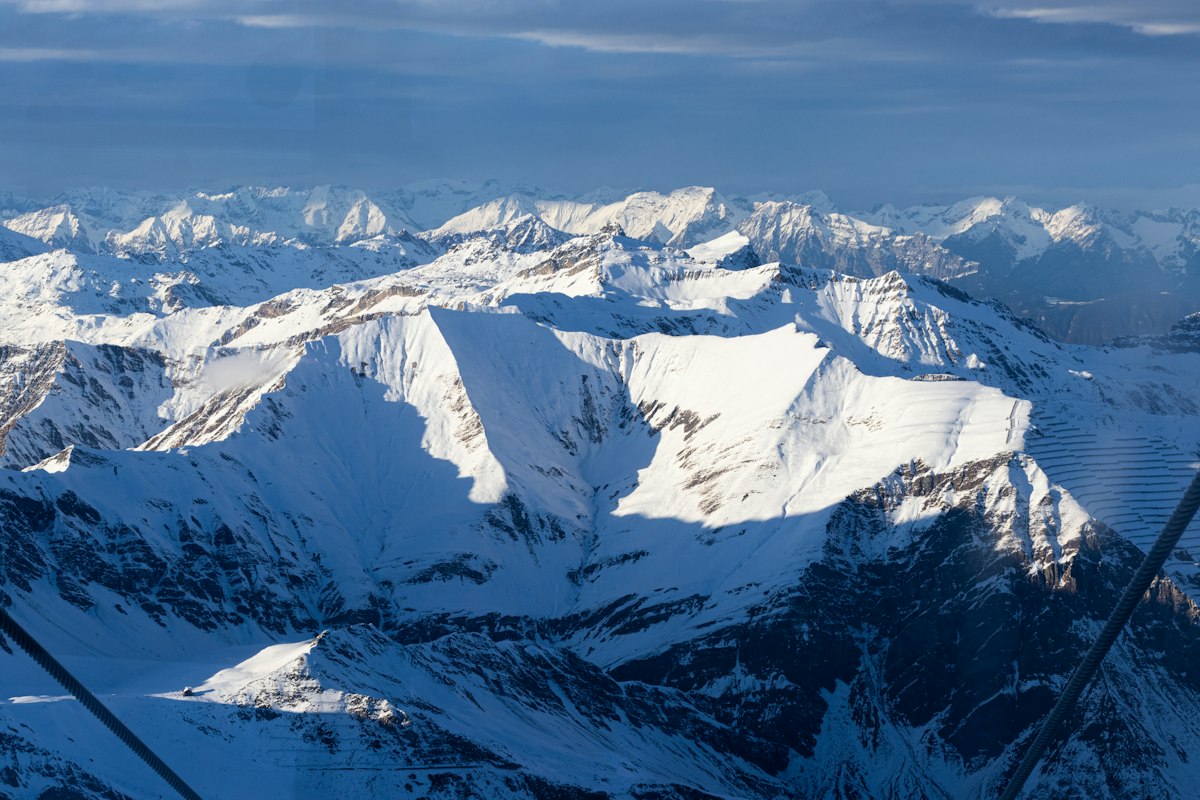
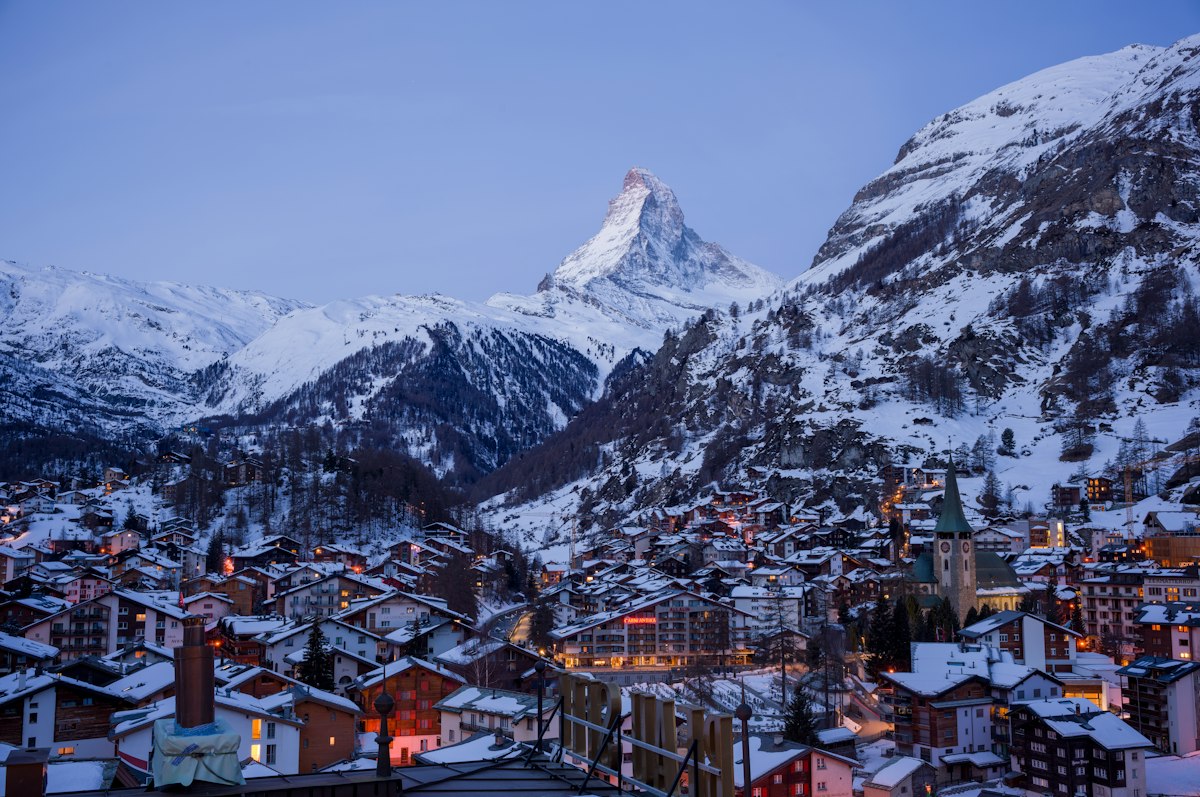
Geographically, the region is defined by deep valleys carved by glaciers, leading up to a dramatic amphitheater of 4,000-meter peaks. On the Swiss side, the Zermatt valley, accessed solely by cogwheel train from Täsch, sits at an altitude of 1,620 meters (5,315 feet). It's a car-free village, a deliberate choice that has preserved its air quality and a sense of tranquil isolation. The valley floor is relatively narrow, quickly giving way to steep ascents towards Gornergrat, Rothorn, and Schwarzsee, each offering distinct perspectives of the Matterhorn.
Across the border, on the Italian side, lies Valtournenche, a broader, more open valley. Cervinia, the primary resort town, is situated at a higher elevation of 2,050 meters (6,726 feet), giving it a different character – often sunnier, with a more expansive feel. The Italian approach to the Matterhorn, or Cervino, is less abrupt, the slopes generally gentler in their initial ascent, though they quickly gain significant vertical.
Culturally, the distinction is palpable. Zermatt, in the German-speaking canton of Valais, retains a strong Walser heritage, evident in its dark timber chalets, intricate carvings, and the precise, almost reserved, efficiency of Swiss service. The pace is deliberate, the infrastructure impeccable. Across the Theodul Pass, Cervinia embodies Italian flair – a lively, perhaps a touch more boisterous, atmosphere. The architecture, while still Alpine, incorporates more stone and a slightly different aesthetic. The culinary traditions diverge significantly, from the hearty, rich rösti and raclette of Switzerland to the fresh pasta, robust cheeses, and vibrant flavors of Aosta Valley cuisine.
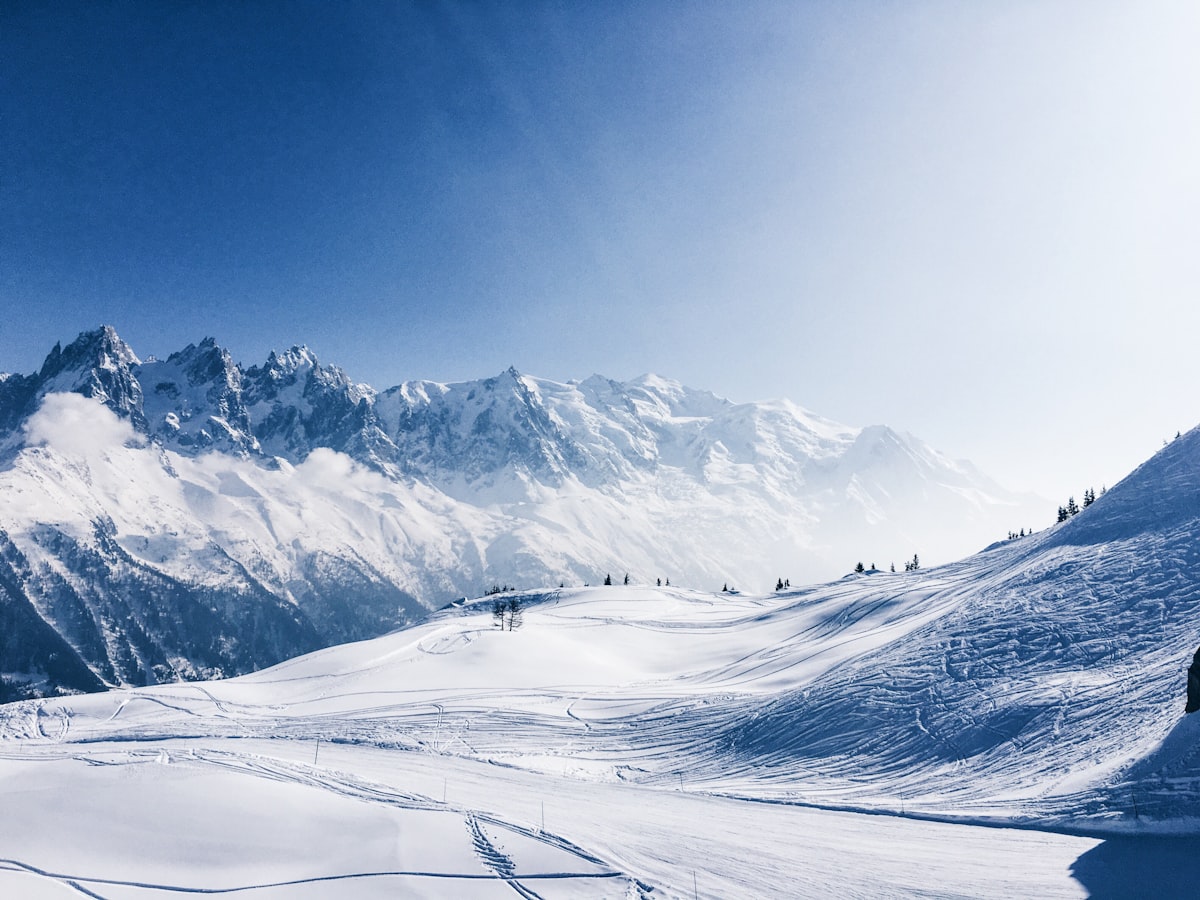
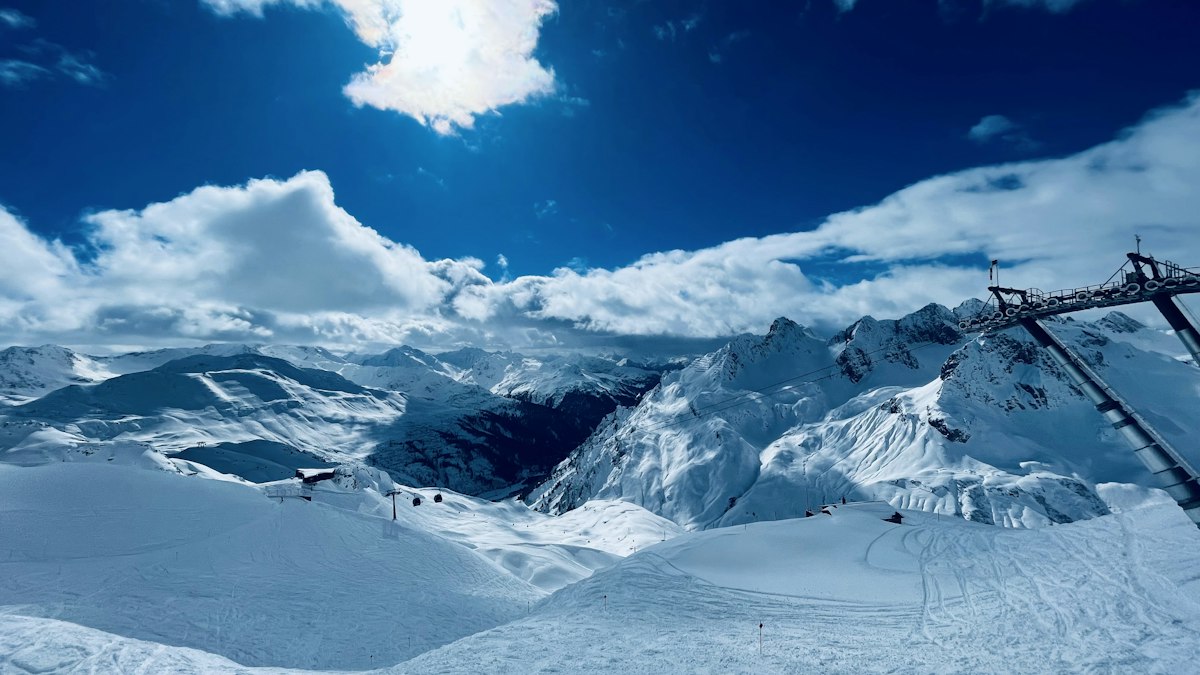
What distinguishes this particular Alpine region isn't just the Matterhorn itself, but the seamless, yet distinct, integration of two national identities into a singular mountain experience. It's a place where you can ski from Switzerland into Italy for lunch, traversing not just a physical border but a cultural one. The high-altitude terrain offers some of Europe's most extensive interconnected ski areas, with summer opening for glacier skiing. Beyond the slopes, a network of well-maintained hiking trails, some dating back to ancient trade routes, crisscrosses the valleys and high pastures, connecting remote hamlets and offering panoramic vistas that shift with every turn. The air is crisp, the light often crystalline, and the scale of the landscape is a constant reminder of nature's formidable power, yet tempered by centuries of human ingenuity and adaptation. It's a region that demands engagement, offering rewards that resonate long after you've left its peaks behind.
Why Visit Matterhorn Region
The Matterhorn Region calls to those who appreciate the grandeur of the Alps without sacrificing refinement. Imagine starting your day with a sunrise view of the Matterhorn from your balcony in Zermatt, the peak turning golden as the first light hits. Then, a leisurely breakfast before ascending the Gornergrat Bahn, Europe's highest open-air cogwheel railway, to an altitude of 3,089 meters. From the Gornergrat Kulm Hotel, the panorama of 29 four-thousander peaks, including the Monte Rosa massif and the Gorner Glacier, is simply arresting.
For the active, the hiking trails are meticulously signposted. Consider the '5 Lakes Walk' from Blauherd to Sunnegga, a relatively easy 2.5-hour trek that offers five distinct reflections of the Matterhorn in pristine mountain lakes – Stellisee, Grindjisee, Grünsee, Moosjisee, and Leisee. For a more challenging endeavor, the Hörnlihütte trail, leading towards the Matterhorn's base camp, provides a visceral sense of the mountain's scale.
Culinary experiences are equally compelling. In Zermatt, a fondue at Whymper-Stube, named after the first Matterhorn conqueror, offers traditional Alpine warmth. For something more refined, Restaurant Riffelalp, accessible by its own historic tram from Riffelberg, provides exquisite dining with unparalleled views. On the Italian side, Cervinia offers a different palate. A long, leisurely lunch at a high-altitude rifugio like Bontadini, accessible by ski or snowmobile, where you can savor fresh pasta and local Aosta Valley wines while gazing at the Matterhorn's southern face, is a quintessential experience.
The region's appeal extends beyond physical activity. It's in the quiet hum of electric taxis in Zermatt, the clang of cowbells in summer pastures, the scent of pine and fresh snow. It's in the tradition of mountain guides, whose stories are woven into the fabric of these villages. It's a place where the pristine environment is respected, and the rhythm of life is dictated by the mountains themselves, offering a profound sense of escape and rejuvenation.
When to Visit
In May, the lower valleys begin to green, while higher elevations still hold snow, offering a unique blend of spring and winter landscapes. Many hiking trails at lower altitudes become accessible.
Summer, from June to September, is prime hiking season. The entire network of trails opens up, wild alpine flowers bloom, and the cows return to the high pastures.
October brings crisp air, golden larch forests, and fewer crowds, ideal for photography and peaceful walks before the full onset of winter. Some mountain transport may operate on reduced schedules, and certain restaurants might close for a short break.
Local Experiences
Beyond the obvious, the Matterhorn Region offers a tapestry of unique experiences. In Zermatt, reserve a table at Chez Vrony, a traditional Walser restaurant located in the hamlet of Findeln, accessible by ski, foot, or electric taxi. Their homemade dried meat and organic burgers, enjoyed on a sun-drenched terrace with an unrivaled Matterhorn view, are legendary. For a deeper dive into local culture, visit the Matterhorn Museum in Zermatt, which chronicles the first ascent and the region's development, including original equipment and a replica of a typical Zermatt house.
For a truly unique perspective, consider a sunrise hike to the Riffelsee lake. Starting before dawn, you'll witness the Matterhorn's reflection catch the first light, an ethereal moment few experience. Or, for an adrenaline rush, embark on a guided glacier trek from Trockener Steg to the Klein Matterhorn, equipped with crampons and ropes, offering a direct encounter with the ancient ice.
On the Italian side, in Cervinia, the culinary scene is distinctly Aosta Valley. Seek out La Maison de Saussure, a family-run restaurant known for its exquisite fondues (both cheese and meat) and traditional regional dishes like polenta concia. For a more rustic, high-altitude experience, ski or snowmobile to Rifugio Guide del Cervino, perched at 3,480 meters (11,417 feet) on the Theodul Pass. Here, you can enjoy a hearty Italian lunch with views stretching across both the Swiss and Italian Alps, a true cross-border culinary adventure.
In summer, explore the ancient Valais barns and granaries in the old part of Zermatt, some dating back to the 16th century, offering a glimpse into the region's agricultural past. Attend a traditional 'Schäferfest' (shepherd's festival) if your visit aligns, often held in late summer in nearby valleys, celebrating the return of the sheep from high pastures with music, food, and local crafts. For an unconventional souvenir, visit the Zermatt bakery Fuchs, renowned for its Matterhorn-shaped chocolates and traditional rye bread.
Nova Insider
For optimal Matterhorn Region travel, aim for early December or late January/early February to avoid peak holiday crowds while still enjoying excellent snow. For summer hiking, late June to early September is ideal. Luxury hotels in Zermatt, particularly those with direct Matterhorn views like the Mont Cervin Palace or The Omnia, book out many months in advance for prime dates; secure your reservations at least 6-9 months ahead. In Cervinia, the Hotel Hermitage, though smaller, also fills quickly.
Local tip: While Zermatt is car-free, arriving by train to Täsch and utilizing the frequent shuttle to Zermatt is seamless. For a lesser-known experience, consider a guided full-moon snowshoe hike in Zermatt, often organized by local mountain guide associations, offering a magical perspective of the illuminated landscape. Don't overlook the smaller, family-run guesthouses on the outskirts of Zermatt for authentic charm and often more intimate service. On the Italian side, exploring the smaller villages of Valtournenche, like Chamois (Italy's only car-free village, accessible by cable car), offers a quieter, more traditional Italian Alpine experience.
The Matterhorn Region, with its formidable peak and dual cultural identity, offers an Alpine experience of unparalleled depth. It's a place where meticulous Swiss precision meets Italian warmth, where high-altitude adventure coexists with refined comfort. A journey here is not merely a trip; it's an immersion into a landscape of enduring majesty and distinct character.
Part of
The Alps — Boutique Hotels & Travel Guide
Explore More Destinations
Matterhorn Region is a stunning destination known for its unique blend of culture, cuisine, and coastal charm. Discover our hand-picked boutique hotels, award-winning restaurants, and curated travel experiences across this remarkable region. Whether you're planning a weekend getaway or a longer retreat, our editorial guides will help you find the perfect stay and the best local experiences.