France · Haute-Savoie / Aosta
Europe's highest peak and legendary mountaineering
Mont Blanc Region — Boutique Hotels & Travel Guide
From Chamonix, the valley floor sits at approximately 1,035 meters (3,396 feet), while Courmayeur, its Italian counterpart, begins around 1,224 meters (4,016 feet). This altitude dictates the flora, the climate, and the rhythm of life. The air is crisp, carrying the scent of pine and, depending on the season, the distant sound of cowbells or the hum of a gondola. What distinguishes this segment of the Alps is its raw, untamed beauty, coupled with a deep-seated tradition of mountaineering and exploration. It’s not a manicured resort landscape; rather, it’s a place where human endeavor meets the formidable power of the high mountains.
The cultural character here is a fascinating blend. In Chamonix, there’s a discernible French flair for understated elegance and a practical approach to mountain life, rooted in centuries of guiding and scientific exploration. The streets are lined with boutiques offering technical gear alongside artisanal chocolate. Across the Col du Géant, Courmayeur offers a distinctly Italian interpretation: a vibrant piazza life, a passion for culinary excellence that elevates even a simple pasta dish, and a more flamboyant, convivial atmosphere. Both share a profound respect for the mountain, evident in the local museums, the guides' bureaus, and the reverence with which discussions of weather and snow conditions are held.
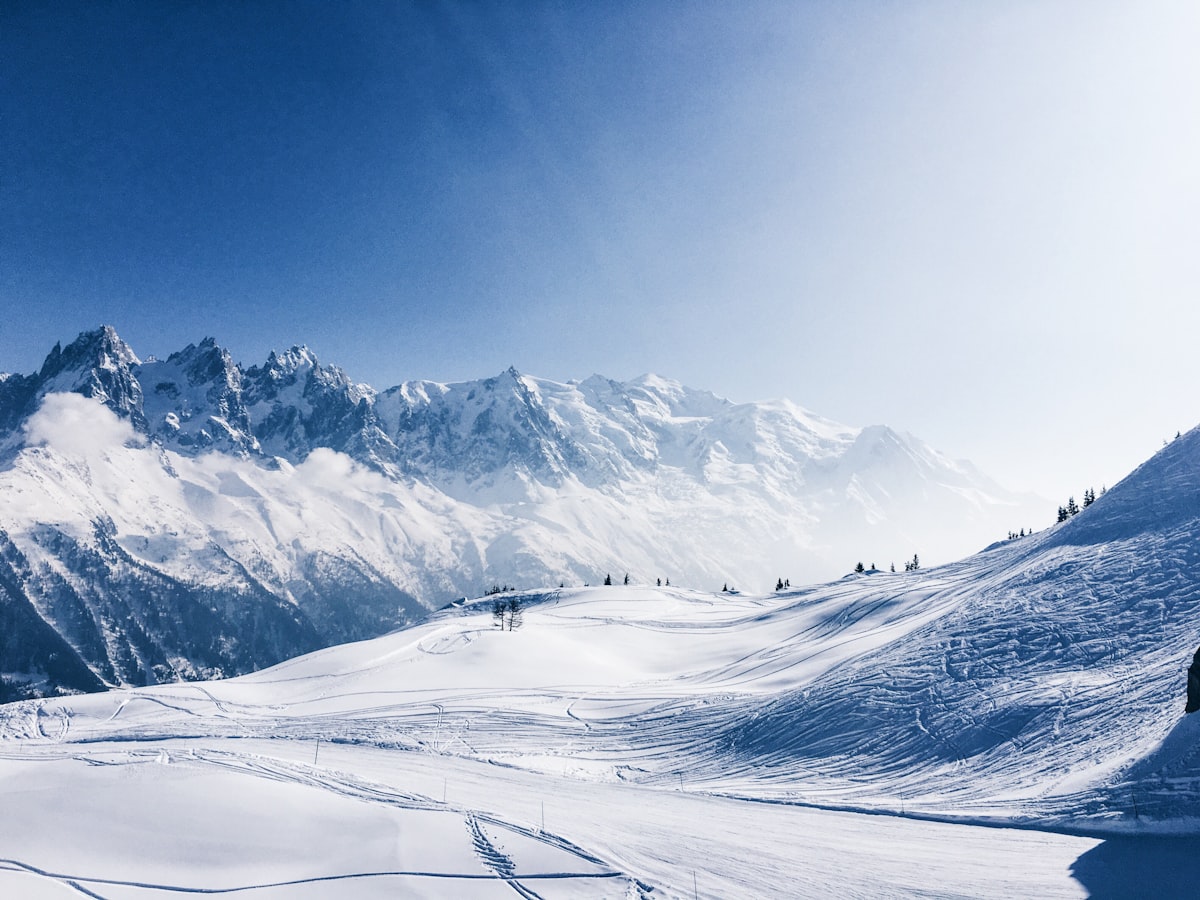
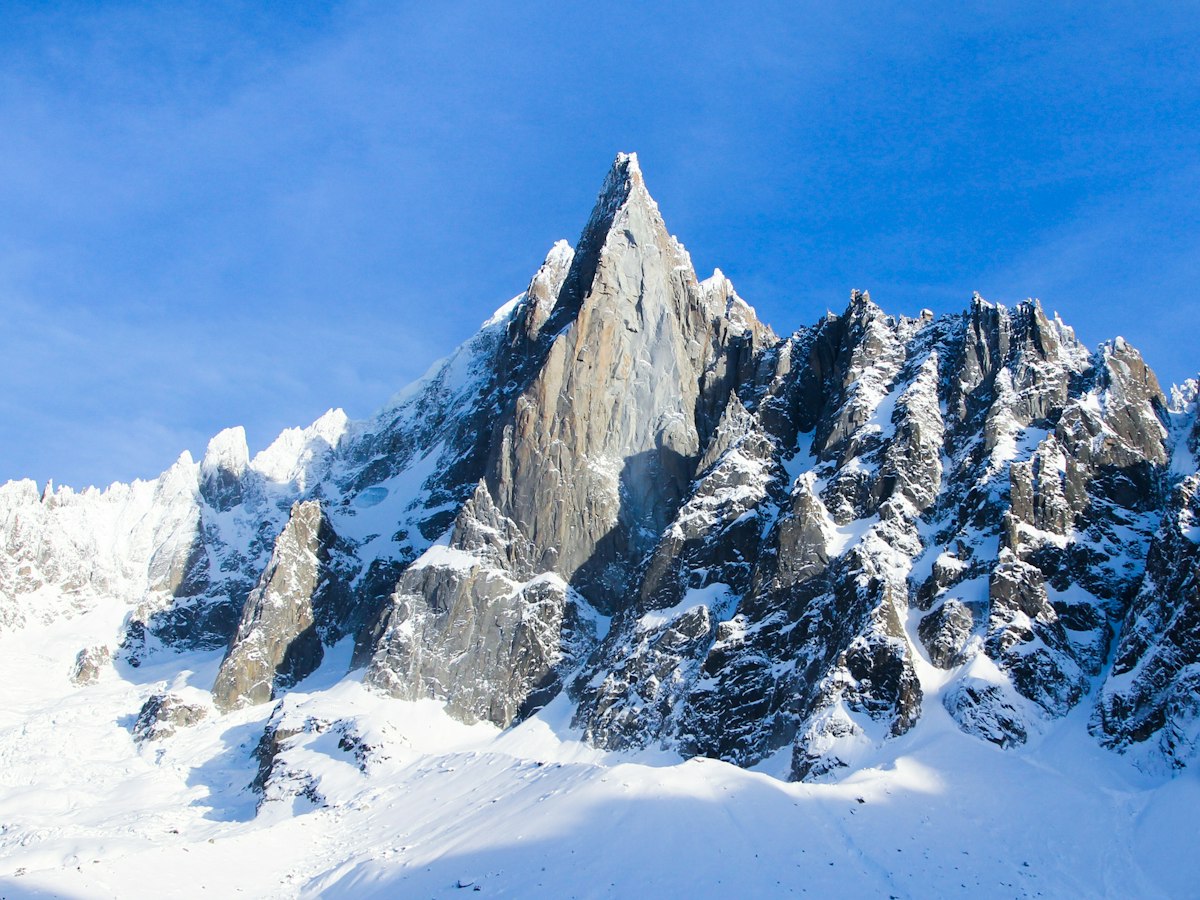
The geography is dramatic. Glaciers, such as the Mer de Glace accessible from Chamonix, carve deep valleys, leaving behind U-shaped troughs and moraines. Peaks like the Aiguille du Midi (3,842m/12,605ft) and the Dent du Géant (4,013m/13,166ft) stand sentinel, offering views that stretch into Switzerland and Italy. The valleys themselves are surprisingly fertile in places, supporting small farms and vineyards, particularly on the sunnier Italian side. This juxtaposition of icy peaks and green pastures, of rugged wilderness and cultivated charm, is what truly sets the Mont Blanc region apart. It’s a place that demands respect, but in return, offers an unparalleled immersion into the very essence of the Alps.
Why Visit Mont Blanc Region
A visit to the Mont Blanc region is an immersion into an Alpine culture steeped in history and defined by its formidable natural surroundings. It’s not simply a destination; it’s an experience that engages both the adventurous spirit and the desire for refined comfort. Consider the sensation of ascending the Aiguille du Midi from Chamonix, the cable car climbing almost vertically through thin air, depositing you at 3,842 meters (12,605 feet) with a panoramic view that encompasses the entire Mont Blanc massif and extends to the Matterhorn on a clear day. This is an essential pilgrimage, offering a perspective usually reserved for climbers.
For those who prefer to engage with the terrain more directly, the trails are abundant and varied. In summer, the Grand Balcon Sud offers a relatively gentle traverse with continuous views of the Chamonix Aiguilles, accessible via the Planpraz gondola. For a more challenging day, the hike from Lac Blanc, originating from the Flégère lift, is rewarded with views of the Argentière Glacier and the opportunity to spot ibex. On the Italian side, the Val Ferret offers a network of trails leading to refuges like Rifugio Bertone, where a simple pasta al ragù tastes extraordinary after a morning’s walk through larch forests.
Culinary experiences are central to the region's appeal. In Chamonix, a dinner at Le Comptoir Nordique, with its focus on Scandinavian-inspired cuisine, provides a delightful contrast to traditional Savoyard fare. For a classic, robust fondue or raclette, La Calèche in the town center is a reliable choice. Across the border in Courmayeur, the evening passeggiata (stroll) along Via Roma leads to numerous trattorias. Try a traditional Valdostana meal at Maison Vieille, accessible by snowcat in winter or a short hike in summer, where the gnocchi al blu di Aosta is memorable. The daily markets, particularly Chamonix’s Saturday market, offer local cheeses, charcuterie, and seasonal produce, perfect for a picnic by the Arve river or a gourmet self-catering option. The interplay of French and Italian cultures, both fiercely proud of their mountain heritage, enriches every aspect of a visit here.
When to Visit
The Mont Blanc region offers distinct experiences throughout the year, each with its own character. The ski season typically runs from mid-December through late April, with the finest snow conditions often found in January and February. During this period, Chamonix’s vast ski domains like Les Grands Montets and Brévent-Flégère offer varied terrain, from challenging off-piste to groomed pistes. Courmayeur’s slopes, generally sunnier, provide excellent intermediate skiing and stunning views of the Italian side of Mont Blanc.
Shoulder seasons, May and June, and late September and October, are often overlooked but offer a compelling alternative. In May, the lower valleys burst into bloom, and the first hiking trails become accessible, though higher routes may still hold snow. Fewer crowds mean a more tranquil experience, and prices for accommodations are often more favorable. October brings vibrant autumn colors, especially in the larch forests of the Val Ferret, and crisp, clear days perfect for hiking before the first heavy snows arrive. Many smaller restaurants and shops may close briefly between seasons, so it's advisable to check ahead.
Summer, from July to mid-September, is the peak season for hiking, mountaineering, and outdoor activities. The entire trail network is open, and the high-altitude refuges welcome overnight stays. The weather is generally warm and sunny, though afternoon thunderstorms are common. This is the time for classic walks like the Tour du Mont Blanc or day hikes to Lac Blanc. Year-round, both Chamonix and Courmayeur offer indoor attractions such as museums (the Musée Alpin in Chamonix provides a fascinating historical context), wellness centers, and a variety of boutiques and art galleries.
Local Experiences
Beyond the iconic peaks, the Mont Blanc region offers a wealth of local experiences that reveal its particular character. For a truly memorable meal in Chamonix, secure a reservation at Albert 1er, a two-Michelin-starred institution where the emphasis is on refined Savoyard cuisine with a contemporary twist. Their tasting menus are an exploration of local flavors and impeccable technique. For something more rustic but equally authentic, seek out La Bergerie de Planpraz, accessible via the Planpraz gondola. It’s a high-altitude farm-restaurant serving exquisite tartiflette and blueberry tarts with unparalleled views.
On the Italian side, Courmayeur’s culinary scene is vibrant. For a convivial evening, head to Bar Roma in the central piazza for an aperitivo, followed by dinner at Lo Sciatore, known for its traditional Valdostana dishes like fonduta or polenta concia. For a unique experience, consider a snowshoe hike under the full moon to a mountain refuge like Rifugio Bonatti in Val Ferret, where you’ll be rewarded with a hearty dinner and perhaps a night under the stars, away from any light pollution.
Trails abound, but some stand out for their particular charm. From Chamonix, the Chemin du Petit Balcon Nord offers a gentle forest walk from Les Praz to Les Bois, showcasing the quieter side of the valley, with glimpses of the Aiguille Verte. For a more challenging endeavor, the Lac Cornu hike provides stunning views of the Aiguilles Rouges and Mont Blanc itself. In Courmayeur, the walk to Pré de Pascal in Val Veny offers serene meadows and views of the Miage Glacier. Cultural events include the Ultra-Trail du Mont-Blanc (UTMB) in late August, an internationally renowned endurance race that transforms Chamonix into a hive of activity, and various local festivals celebrating regional produce and traditions throughout the summer. Don't miss the Saturday morning market in Chamonix for local cheeses, charcuterie, and freshly baked bread.
Nova Insider
To truly experience the Mont Blanc region without the crowds, consider visiting during the shoulder seasons – late May to mid-June or early September to mid-October. The weather is often crisp and clear, trails are less trafficked, and accommodations can be more readily available and often at better rates. For summer travel, book your Chamonix or Courmayeur hotel well in advance, ideally 6-9 months out, especially if you have specific dates in mind, as the most sought-after properties, particularly those with direct mountain views or spa facilities, fill quickly. Les Grands Montets Hotel & Spa in Argentière, for instance, is a perennial favorite.
A local tip: while the main cable cars are spectacular, explore the smaller, lesser-known lifts. The Lognan cable car from Argentière gives access to superb hiking without the same crowds as the Aiguille du Midi. In Courmayeur, take the Val Veny cable car for a different perspective on the Italian side of the massif. For dining, venturing slightly outside the town centers often yields more authentic and value-driven experiences. For instance, in Chamonix, the tiny village of Le Lavancher has a few excellent, unpretentious restaurants. In Courmayeur, don't overlook the smaller trattorias in the villages surrounding the main town for a true taste of Aosta Valley cuisine. Always book dinner reservations, especially on weekends.
The Mont Blanc region, straddling France and Italy, presents a compelling duality of rugged grandeur and refined comfort. It is a place that rewards both the active adventurer and the discerning traveler seeking a profound connection with the high Alps, offering an experience that lingers long after the mountain air has left your lungs.
Part of
The Alps — Boutique Hotels & Travel Guide
Explore More Destinations
Mont Blanc Region is a stunning destination known for its unique blend of culture, cuisine, and coastal charm. Discover our hand-picked boutique hotels, award-winning restaurants, and curated travel experiences across this remarkable region. Whether you're planning a weekend getaway or a longer retreat, our editorial guides will help you find the perfect stay and the best local experiences.